

Have you noticed that videos are everywhere nowadays, from social media feeds to streaming platforms, video content has become a dominant form of communication and entertainment. However, with the sheer volume of content being produced, the demand for high-quality videos has never been higher. This is where the transformative power of Artificial Intelligence (AI) comes into play, helping to enhance video with AI by improving resolution, audio, editing, and more.
AI has revolutionized various industries, and video enhancement is no exception. Whether it’s improving resolution, refining audio, or perfecting color grading, AI offers tools and techniques that elevate video production to new heights. It’s not just about making videos look better; it’s about unlocking potential that was previously unimaginable.
As we delve deeper into the world of AI-driven video enhancement, we’ll explore how these technologies are reshaping the landscape of video creation and editing. From amateur videographers to seasoned professionals, everyone stands to benefit from these advancements.
Join us on this journey as we uncover the innovations in AI that are enhancing videos, making them more compelling and accessible to audiences worldwide.
How AI Can Enhance Video Resolution and Quality
When we talk about video enhancement, the pursuit of higher resolution and quality is paramount. This is where AI-powered super-resolution techniques make a significant impact. These techniques are designed to upscale low-resolution videos to higher resolutions while maintaining high quality, offering a stark contrast to traditional methods that often fall short.
Traditional methods, such as bicubic and Lanczos interpolation, have been the go-to for video upscaling. However, these mathematical algorithms can introduce artifacts and blurriness, which detracts from the overall viewing experience. In contrast, AI-powered super-resolution utilizes deep learning neural networks to intelligently reconstruct fine details and textures. This results in more natural and artifact-free upscaling.
An exemplary project in this field is the MPAI-EVC project, which has developed a robust dataset of over 22,000 4K video frames. This dataset is used to train super-resolution networks, achieving bitrate savings and superior quality compared to traditional methods. The advanced capabilities of AI models allow for precise enhancement, making them invaluable in applications where clarity and detail are crucial.
Among the notable AI techniques are the SRCNN (Super-Resolution Convolutional Neural Network) and the ESPCN (Efficient Sub-Pixel Convolutional Neural Network). SRCNN is a 3-layer convolutional neural network capable of upscaling video by factors of 2, 3, or 4, while ESPCN offers a more efficient architecture for real-time applications, performing 2x super-resolution with lower computational complexity.
Real-time super-resolution is another frontier where AI shines. By leveraging GPU power, this technology enhances visuals in gaming, video streaming, and conferencing. For example, gamers can enjoy high-quality visuals even at lower resolutions, and video conferencing can benefit from upscaling low-resolution feeds to improve clarity.
While AI-powered super-resolution is transformative, it does come with limitations. These include high computational demands and potential artifacts if the source video is of extremely low resolution or heavily compressed. Nevertheless, the continuous development of AI technologies promises to address these challenges, paving the way for even more effective video enhancement solutions.
With the availability of various software solutions and cloud-based services like NVIDIA RTX Video Super Resolution and Topaz Labs Video Enhance AI, content creators have access to powerful tools that bring their video projects to life with unprecedented quality.
This exploration into how AI can enhance video resolution and quality reveals a future where video content is not only more visually appealing but also more accessible to diverse audiences. As we move forward, AI’s role in video enhancement will undoubtedly continue to evolve, offering exciting possibilities for creators and consumers alike.
Improving Audio in Videos with AI Tools
The quality of audio in video content is as crucial as the visuals. Poor audio can detract from the viewer’s experience, making it difficult to engage with the content. Thankfully, AI tools offer innovative solutions to enhance audio quality in videos, making them sound professional and polished.
One notable tool is the VEED AI audio enhancer, which is designed to remove background noise and improve speech clarity. Utilizing advanced machine learning algorithms, it effectively eliminates unwanted sounds such as wind and static, while enhancing the audibility of spoken audio. This results in recordings that achieve studio-quality sound, a significant boost for any video production.
AI noise reduction techniques, such as spectral subtraction and deep learning algorithms, play a pivotal role in this enhancement process. These methods focus on isolating and removing noise while maintaining the integrity of the primary audio, ensuring clarity and consistency across different recordings. This is particularly beneficial in dynamic audio environments where noise levels can fluctuate.
Platforms like Auphonic and Adobe Premiere Pro have integrated AI-driven features to balance audio levels and repair poor-quality audio. This automation of complex audio postproduction tasks not only saves time but also opens up creative possibilities that were previously challenging to achieve.
AI tools often provide real-time processing, allowing for immediate audio enhancements during live streaming or recording sessions. This capability is invaluable for content creators who require on-the-fly adjustments without compromising on quality.
AI technologies such as voice synthesis and dubbing provide seamless voiceovers and dialogue replacements, preserving natural intonation and emotional resonance. This is crucial for storytelling, where audio plays a key role in engaging the audience.
With the support of AI, creators can effortlessly improve audio quality, ensuring that their content is both visually and audibly appealing. As AI continues to evolve, so too does its ability to refine and perfect audio in video production, paving the way for a future where every video is a cinematic experience.
AI for Color Correction and Grading in Videos
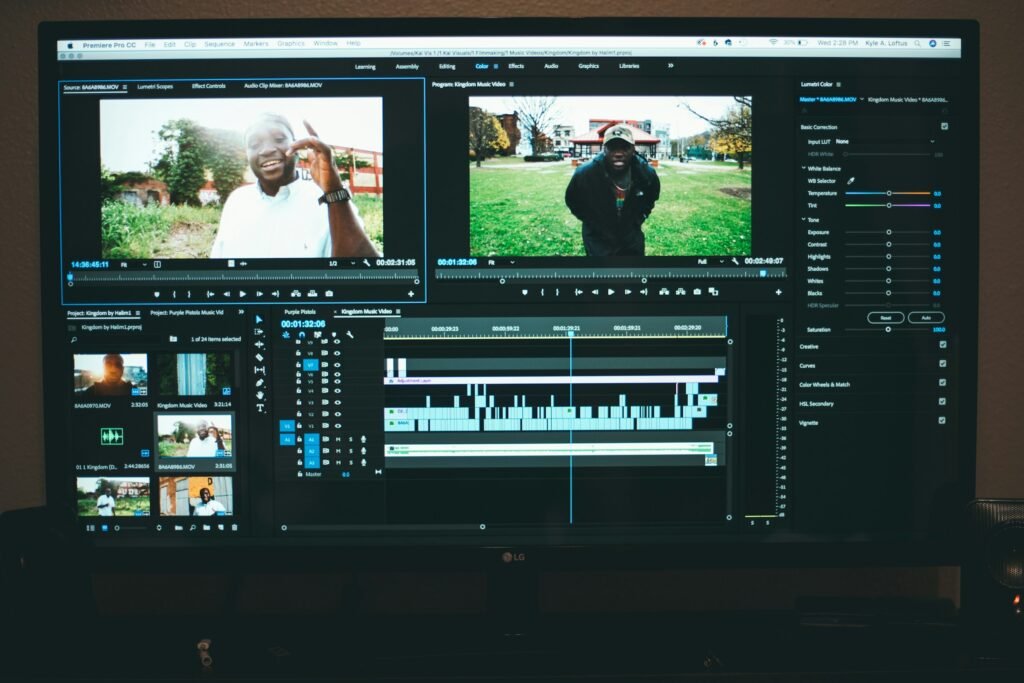
Color correction and grading are crucial steps in video production, ensuring that the final product is visually stunning and emotionally resonant. The advent of AI-powered software has revolutionized these processes, making them more efficient and accessible to both novice and professional editors.
One of the standout tools in this domain is DaVinci Resolve, renowned for its advanced color grading capabilities. It uses AI to perform automatic color matching and scene detection, significantly reducing the time spent on these tasks. Similarly, Adobe Premiere Pro offers AI-driven features like Auto Reframe and Color Match, which streamline the color correction process, allowing editors to focus on creative decisions.
For those looking for more straightforward solutions, Filmora provides AI-based tools that simplify the enhancement of video colors with minimal effort. Meanwhile, Colorlab AI specifically tailors its software for color grading, using AI to analyze footage and suggest optimal color settings, thus ensuring visual consistency and appeal.
AI-powered color grading systems leverage machine learning algorithms to automate traditional manual adjustments. This transformation results in increased efficiency, as repetitive tasks are automated, freeing colorists to interpret the director’s vision and establish a unique visual language. Moreover, AI tools ensure consistency across shots, a critical factor in maintaining visual continuity in large-scale productions.
Another benefit of AI is its ability to facilitate rapid experimentation. Filmmakers can quickly apply and evaluate different color grading styles, fostering collaboration between colorists, directors, and cinematographers. This creative exploration is further enhanced by AI’s capability to learn from existing styles, enabling colorists to push the boundaries of visual storytelling.
Specific AI techniques include automated analysis of each video frame, identifying areas requiring color corrections. AI then makes intelligent adjustments to parameters like brightness, contrast, saturation, and hue, aligning them with the video’s intended emotional tone. Additionally, AI tools can automatically correct white balance issues and adjust exposure levels, maintaining visual clarity throughout.
With user-friendly interfaces, AI-based color correction tools make advanced techniques accessible to both professionals and beginners. They streamline the process, providing consistent and accurate results while reducing the time and effort required for manual adjustments.
AI for color correction and grading offers a powerful blend of automation and creativity, transforming the way we approach video editing. As technology continues to evolve, the potential for AI to enhance visual storytelling grows, offering exciting possibilities for the future of video production.
Stabilizing Shaky Footage: AI’s Role in Smooth Video

In the world of video production, achieving smooth, stable footage is crucial for maintaining viewer engagement. With advancements in AI technology, stabilizing shaky video has become more accessible and effective than ever. Tools like VideoProc Converter utilize AI to detect and track key points within video frames, creating a smooth camera trajectory that minimizes motion and shake.
This high-precision AI-powered stabilization is particularly effective in handling complex motion and significant displacement, all while preserving the original video resolution and quality. Users benefit from customizable settings that allow the adjustment of cropping ratios, stabilization intensity, and processing speed, ensuring optimal results for various scenarios.
AI stabilization shines in scenarios where traditional stabilization methods fall short. It optimizes wobbles in low-light environments and stabilizes jitters from moving objects or handheld footage. It’s particularly useful for footage captured by devices like GoPros and drones, where reducing instability in fast-moving scenes is paramount.
Top software options for AI-driven stabilization include Adobe Premiere Pro, known for its Warp Stabilizer tool, and WonderShare Filmora, which offers quick rendering and flexible effects. VideoProc stands out for processing multiple videos simultaneously, making it ideal for batch stabilization. Each tool leverages AI to enhance video stabilization, catering to a range of users from beginners to professionals.
Real-world applications of AI stabilization demonstrate its impact on video production. Case studies, such as those involving companies like Cyber Inc. and Doculife, highlight how AI reduces production time and costs. These examples illustrate AI’s potential to streamline video creation processes, allowing even smaller studios to produce high-quality, stable content efficiently.
With AI’s ability to address common stabilization issues like unnatural artifacts and excessive cropping, it’s clear that AI is transforming how we approach video stabilization. By leveraging AI’s capabilities, creators can produce smooth, professional-quality videos that captivate their audiences.
AI-Powered Video Editing: Making the Process Easier
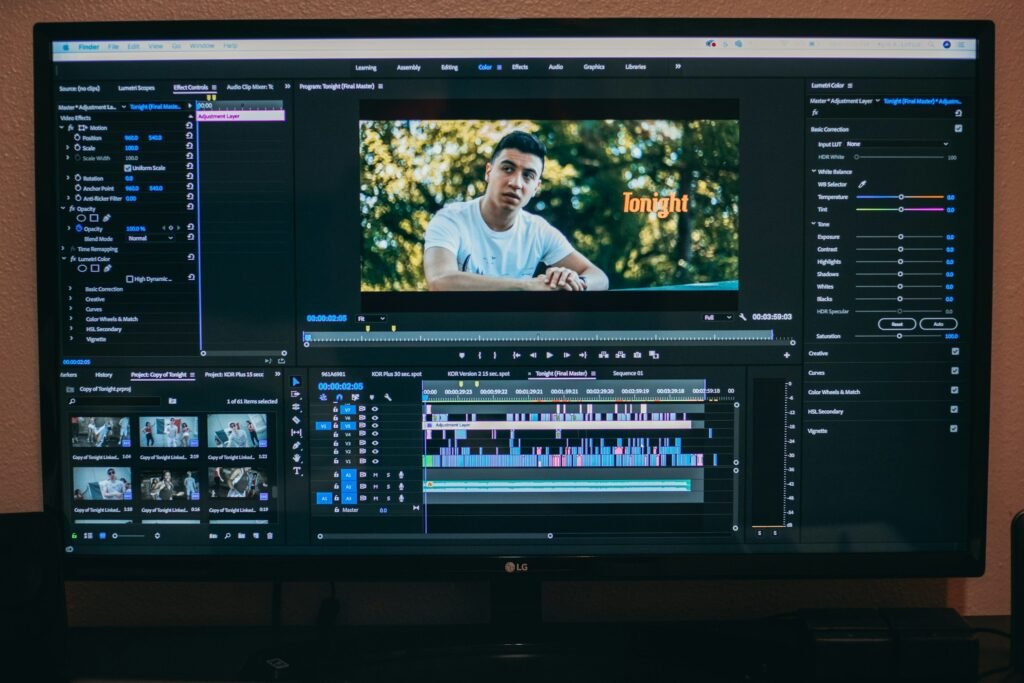
As technology advances, AI-powered video editing tools are reshaping how content creators approach their work. These tools offer a suite of features that streamline the editing process, significantly reducing the time and effort required to produce high-quality videos.
One of the standout benefits of AI in video editing is the automation of repetitive tasks such as creating subtitles from audio tracks and reducing background noise. This automation not only saves time but also improves the accuracy and consistency of the final product. By handling these tasks swiftly, editors can focus on the creative aspects of video production.
Another innovative feature is object tracking and masking, which simplifies complex editing tasks by allowing users to track objects across multiple frames effortlessly. This feature is particularly useful for projects that require background removal or special effects, enhancing the overall visual appeal of videos.
AI-driven tools are also revolutionizing how we think about video editing itself. Platforms like Descript and Runway offer text-based editing, enabling users to make edits by modifying the text transcript of a video. This approach makes the editing process more intuitive and accessible, particularly for those who may not have traditional video editing skills.
AI features in software like Adobe Premiere Pro provide advanced capabilities such as auto-reframing and scene edit detection. These tools optimize video output for various formats and platforms, ensuring content looks its best without extensive manual intervention.
The integration of AI in video editing offers unprecedented opportunities for content creators. By simplifying complex tasks and enhancing workflow efficiency, AI empowers users to produce engaging, high-quality videos with ease. As these tools continue to evolve, they promise to unlock even more creative possibilities in the future.
Boosting Accessibility: AI for Voiceovers and Subtitles
In the realm of video content creation, AI tools are making significant strides in enhancing accessibility through automated voiceovers and subtitles. These technologies not only improve the viewing experience for a wider audience but also ensure compliance with accessibility standards.
AI voice generators like ElevenLabs and Speechify offer realistic and versatile voice options, allowing creators to choose voices based on style, language, and accent. This capability is crucial for producing engaging content that resonates with diverse audiences. Such tools enable creators to tailor voiceovers to meet specific needs, making content more inclusive.
In addition to voiceovers, AI subtitle generators play a pivotal role in video accessibility. These tools transcribe spoken content into text with remarkable accuracy, providing subtitles in real-time during playback. They support multiple languages, enhancing the reach and accessibility of videos worldwide. The integration of subtitles not only aids those with hearing impairments but also improves SEO by making video content more searchable.
Moreover, AI-driven solutions like automatic captioning and speech recognition, detailed by Grackle Docs, facilitate real-time interaction and inclusivity. Technologies such as Google’s Live Transcribe app demonstrate how AI can convert spoken language into text, allowing users to follow conversations and access content seamlessly.
By leveraging AI for voiceovers and subtitles, content creators can deliver more engaging and accessible videos. These advancements underscore the transformative impact of AI in ensuring that video content is inclusive and readily available to all audiences, paving the way for a future where digital media is truly universal.
Conclusion: Why You Should Enhance Video with AI
As we navigate the rapidly evolving landscape of digital media, incorporating AI into video production and enhancement emerges as a transformative strategy. The integration of AI voice generators and AI subtitle generators demonstrates the potential of these technologies to revolutionize how we create and consume video content.
AI offers unparalleled opportunities to elevate video quality and accessibility. From improving video resolution and stabilization to providing seamless voiceovers and accurate subtitles, AI effectively enhances the viewing experience. It ensures that videos are not only visually appealing but also accessible to a diverse audience, including those with auditory impairments. This inclusivity is crucial in today’s digital world, where reaching a wider audience is more important than ever.
AI streamlines the video editing process, allowing creators to focus on storytelling and creativity rather than technical challenges. The ability to automate tasks such as color grading, audio enhancement, and accessibility features significantly reduces production time and costs, making high-quality video content more achievable.
Embracing AI for video enhancement is not just about keeping up with technological trends; it’s about unlocking new possibilities for innovation and engagement. By harnessing the power of AI, creators can produce content that resonates deeply with viewers, paving the way for a future where video content is richer, more dynamic, and universally accessible.